Le Savoir-Faire
The Atelier.
A garment is a hundred quiet decisions. Here is where Saint Polaire makes every one of them by hand.
A garment is a hundred quiet decisions. Here is where Saint Polaire makes every one of them by hand.
We do not manufacture. We make. From the fibre to the final stitch, a Saint Polaire piece passes through more hands — and more hours — than reason allows. That is precisely the point.
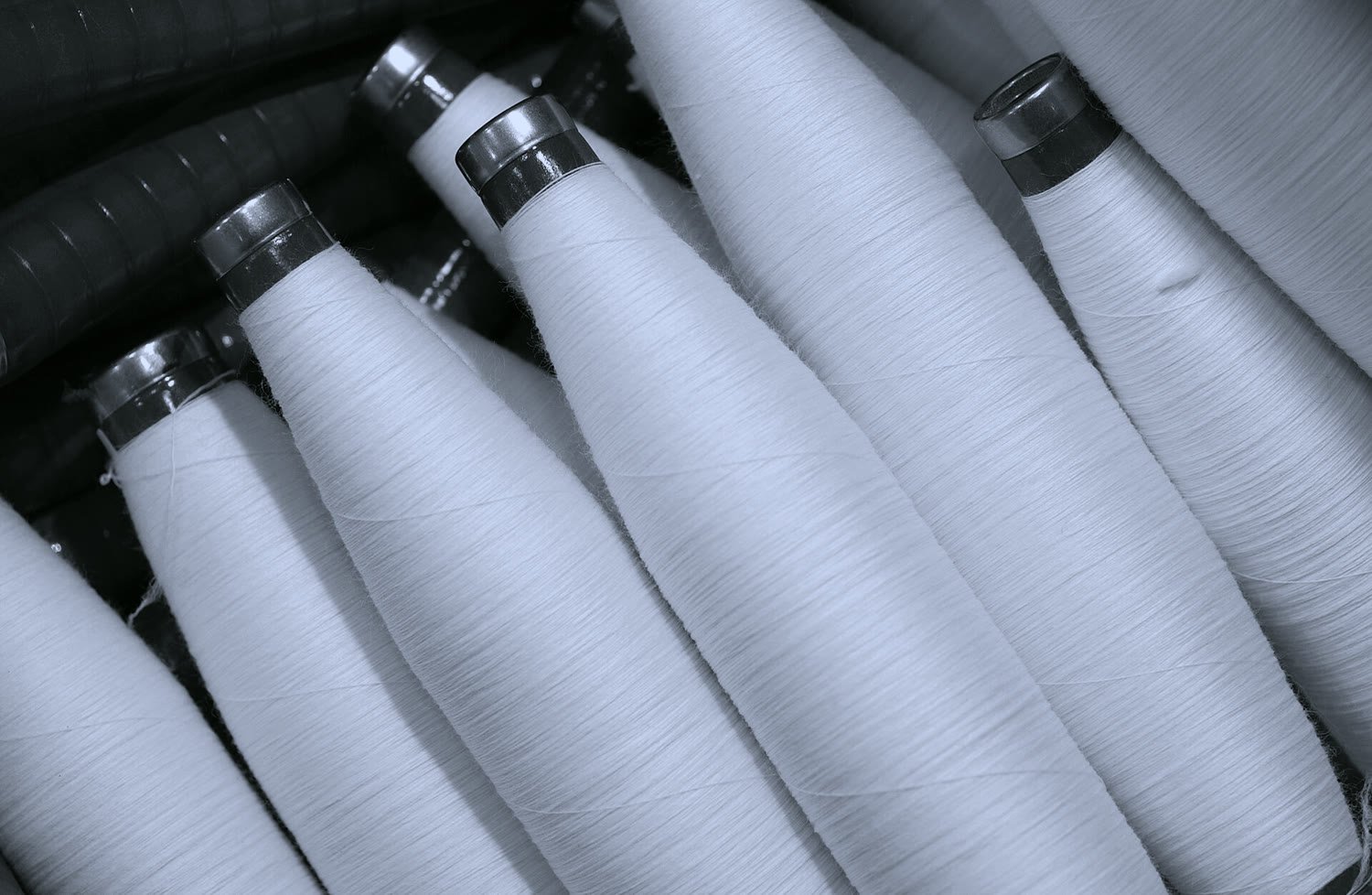
It begins with the fibre — long-staple wool from a single estate, silk reeled by hand, linen retted the old way. We buy the whole clip, not the bargain. The cloth decides the garment; we simply refuse to start with a compromise.
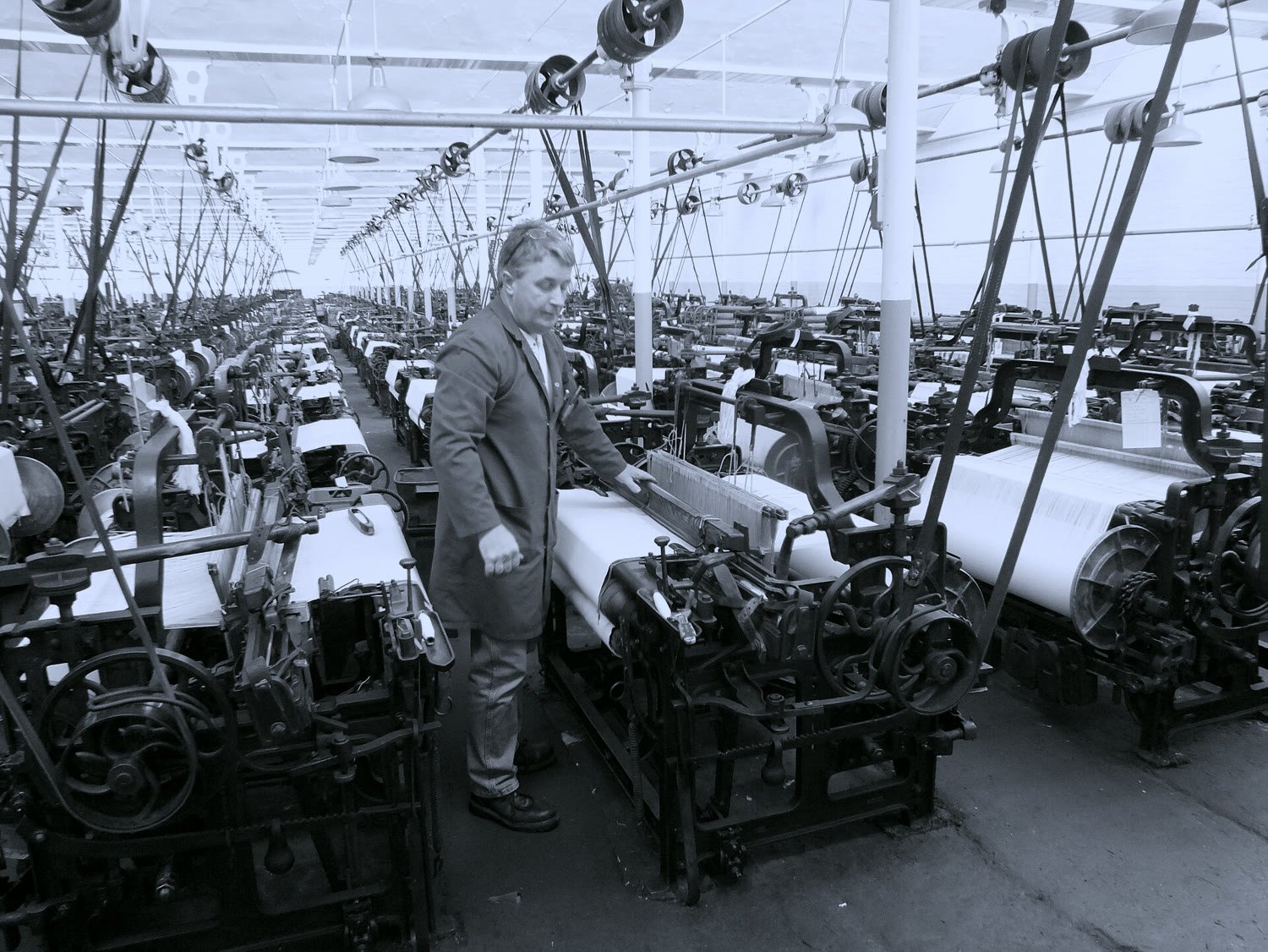
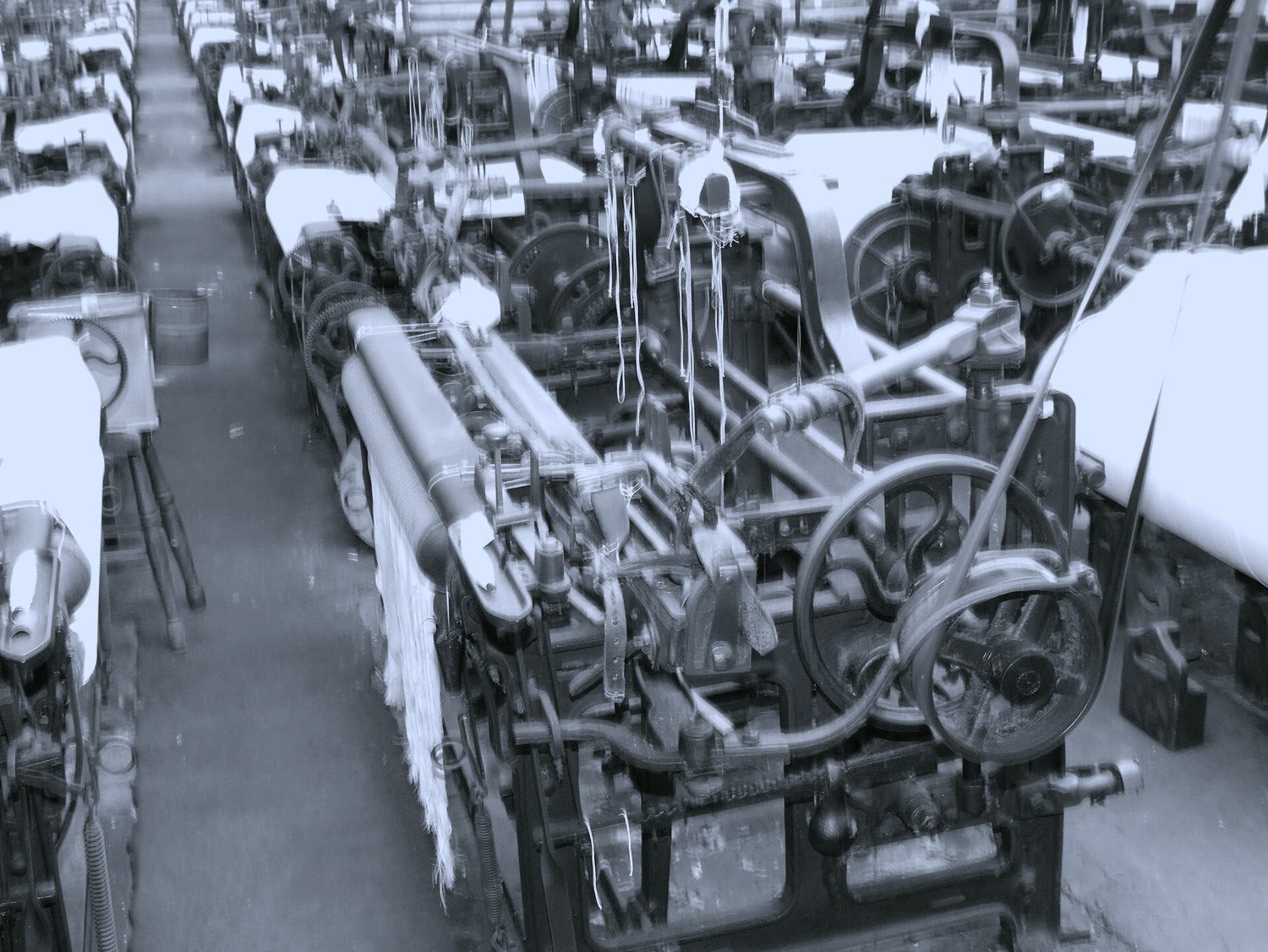
Our cloth is woven on shuttle looms that move at a tenth of modern speed — slow enough to lay a selvedge that will outlive its owner. A metre takes an afternoon. A bolt takes a conscience.
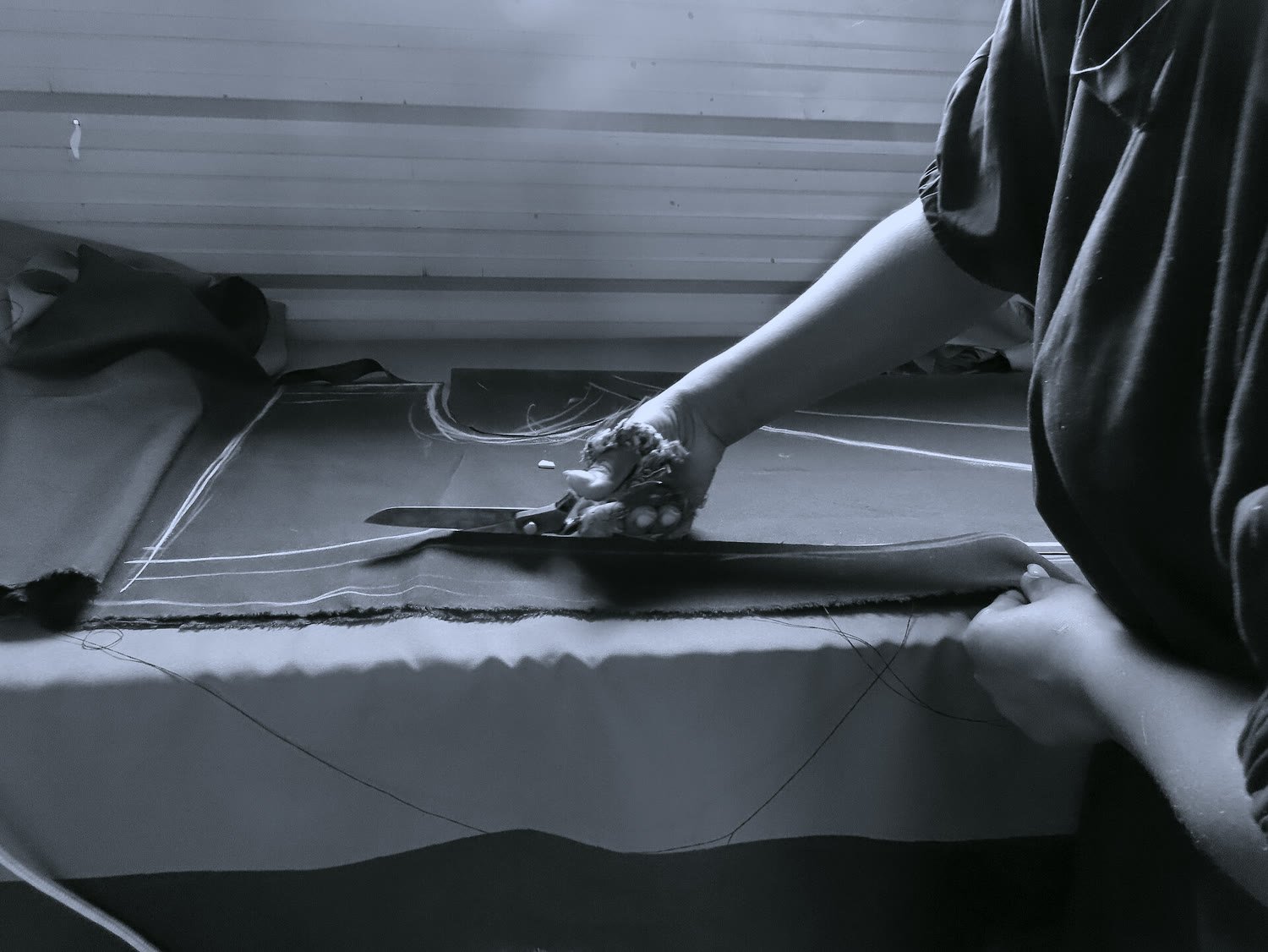
Every pattern is chalked and cut by a single cutter who signs the docket. No two bodies are alike, and so no two patterns are. The shears come out once. There is no second piece of that cloth, and no second chance.
Then come the hours no machine can give: the canvas basted to the chest, the lapel rolled by thumb, the buttonhole sewn in silk over an evening. The label goes in last — only when the maker would wear it himself.
Saint Polaire works by introduction and appointment. Tell us who you are, and we will begin.